Anthropic announced Claude Sonnet 5 on 30 June 2026, positioning it for coding, agents, and professional work at scale. For Australian SMB leaders, the useful signal is not simply that another model is available. It is that agent workflows are becoming practical enough to manage as operating systems, not experiments.
The important shift is cost structure. Anthropic's Sonnet page and platform pricing documentation list introductory API pricing through 31 August 2026 at $2 per million input tokens and $10 per million output tokens, before standard pricing returns to $3 and $15 respectively. The same materials describe prompt caching and batch processing as ways to reduce repeated-work costs.
Why Do Agent Costs Matter Now?
Agent work is not priced like a single chat response. A workflow may read the same context several times, call tools, compare sources, retry failed steps, and generate multiple drafts before a human approves the result. That means leaders need to watch the total cost of the workflow, not just the model's headline token price.
Axios reported that Sonnet 5 became the default model for Claude Free and Pro users, with availability extending to Max, Team, and Enterprise. TechCrunch framed the release as a lower-cost way to run agents. Taken together, the message is clear enough: capable agent workflows are moving closer to everyday business use.
RxAI Insight
Lower model cost does not remove operational risk. It makes governance more important, because more teams can now afford to run multi-step AI workflows at higher volume.
Which Workflows Should SMBs Test First?
The best first candidates are workflows where AI prepares the work but does not make the final business decision. Start with tasks that are repetitive, source-heavy, and easy for a human to review.
- Content and data整理: turn customer interviews, form responses, support notes, or meeting transcripts into summaries, tags, follow-up tasks, and draft FAQs.
- Research and comparison: ask an agent to read selected pages or documents against a fixed checklist, then produce a sourced comparison table.
- Operations support: prepare weekly reports, social post drafts, document filing suggestions, CRM notes, or knowledge-base updates for human approval.
These workflows save time because the agent narrows the preparation burden. They stay manageable because a person still checks the source trail and approves the output before it reaches customers, staff, or systems of record.
Why Is Full Automation Still Risky?
Anthropic also maintains model system cards, including a Claude Sonnet 5 system card listing. That matters because agent capability still comes with model behaviour, safety boundaries, and usage context that need to be understood before deployment.
When an agent can browse, plan, use tools, and execute multi-step tasks, the business needs three control points: what the AI can read, what it can do, and when a human must review or reverse the action. Without those boundaries, cheaper automation can create more rework, not less.
How Should You Design a Cost-Aware Agent Workflow?
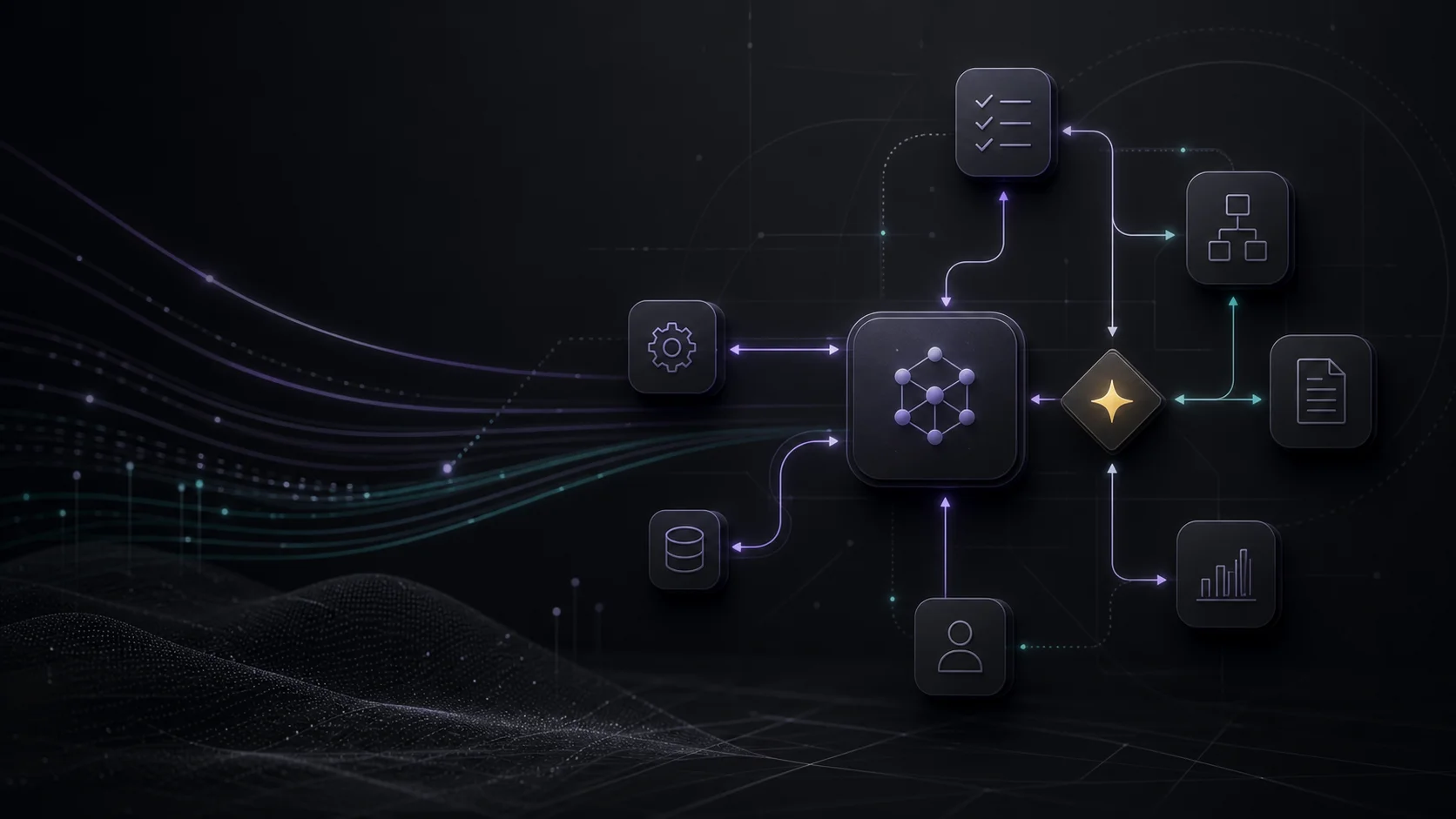
RxAI's practical recommendation is to build semi-automated agent workflows in four stages: input, processing, checking, and output. This structure keeps the process portable if the model, pricing, or tool permissions change later.
- Input: define approved data sources, freshness requirements, privacy limits, and the exact files or systems the agent may read.
- Processing: use prompt templates, tool permissions, and task boundaries so the agent performs the same work consistently.
- Checking: require source links, confidence notes, risk flags, and human confirmation before a customer-facing or operational action.
- Output: send approved results into the website, CRM, internal documentation, social queue, or task system with a visible audit trail.
This is where lower cost becomes useful. Prompt caching can help when workflows reuse the same long context, and batch processing can help when work can be queued rather than handled instantly. Those savings only matter if the workflow has been designed deliberately enough to use them.
What Does This Mean for SEO, GEO, and Content?
Cheaper agents will make it easier to produce more content, compare more sources, and create more versions. That does not mean more output will automatically earn trust. AI search and social discovery increasingly reward clear structure, credible sources, and original perspective.
For content operations, the better use of agents is acceleration around the edges: research整理, source checking, draft variants, scheduling, and repurposing. The human role remains the strategic view, the client insight, and the final judgement about what the brand should say.
What Should Business Leaders Do Next?
Do not start by asking where to replace people. Start by mapping a workflow where staff already spend time collecting information, checking details, and producing a repeatable output. Then build a controlled agent pilot around that workflow with clear cost tracking and a human review point.
RxAI helps Australian businesses design these systems as practical operating workflows, not disconnected model trials. If you want to identify the safest first use case, start with our AI automation and consulting services or book a short discussion through the contact page.
Sources
- Anthropic Newsroom
- Anthropic Claude Sonnet page
- Claude Platform pricing documentation
- Anthropic model system cards
- Axios - Anthropic debuts Sonnet 5 for everyday work
- TechCrunch - Anthropic launches Claude Sonnet 5 as a cheaper way to run agents
Frequently Asked Questions
Claude Sonnet 5 is an Anthropic model announced on 30 June 2026 and positioned for coding, agents, and professional work at scale. For SMBs, its relevance is strongest where AI can prepare, organise, compare, and draft work inside controlled workflows.
No. Lower cost makes experimentation and repeatable workflows more practical, but businesses still need data boundaries, tool permissions, source checks, and human review before important outputs are published or actioned.
Start with repeatable preparation work: summarising customer notes, comparing selected sources, drafting reports, preparing social content, updating FAQs, or organising documents. These tasks are easier to review and safer than full end-to-end automation.
Prompt caching can reduce repeated context costs when the same material is reused, while batch processing can reduce costs for queued work that does not need instant responses. Both require deliberate workflow design to be useful.
Want This Applied to Your Business?
RxAI offers a free 30-minute consultation to map how these strategies fit your operations. No obligation, no sales pitch.
Book Free Consultation