Anthropic's 1 July 2026 update on Claude Fable 5 is worth reading beyond the model news. The more useful signal for business leaders is that jailbreak incidents are being treated as something that needs a shared severity framework, not only an internal engineering fix.
Anthropic said the earlier concern involved a bypass reported by Amazon researchers, then described additional safety classifier work and fallback routing for blocked requests. The company also said it is working with Amazon, Microsoft, Google and other Project Glasswing partners on a consensus framework for scoring AI jailbreak severity and developer response.
RxAI Insight
When AI agents move from drafting to acting, the control model needs to change. Severity levels, permissions, logs and pause rules should be designed before automation expands.
Why Does Jailbreak Severity Matter for SMBs?
Most small and mid-sized businesses are not running frontier cyber evaluations. But they are starting to connect AI agents to customer support, sales workflows, content operations, internal knowledge bases, finance administration and reporting. That changes the risk profile.
The question is no longer just whether the AI gives a weak answer. The question is whether a weak, manipulated or unauthorised answer can trigger an action: sending a message, changing a CRM field, exposing private data, deleting a record, approving a refund or making a public commitment.
Risk Lens
A low-quality draft is a content issue. A manipulated agent with write access is an operations issue. Treat those as different severity levels before the workflow goes live.
What Did the Sources Confirm?
Anthropic's redeployment note says it is working with major Project Glasswing partners on jailbreak severity and response. CNAS separately argues that jailbreak incidents vary in seriousness and need predictable, institutionalised assessment rather than ad hoc reaction.
Anthropic's Project Glasswing updates add another useful lesson: AI can help accelerate vulnerability discovery, but triage, verification, disclosure, patching and deployment remain process work. That maps directly to AI agent adoption. The model may move quickly, but responsibility, approval and remediation still sit with people.
How Should You Classify Agent Risk?
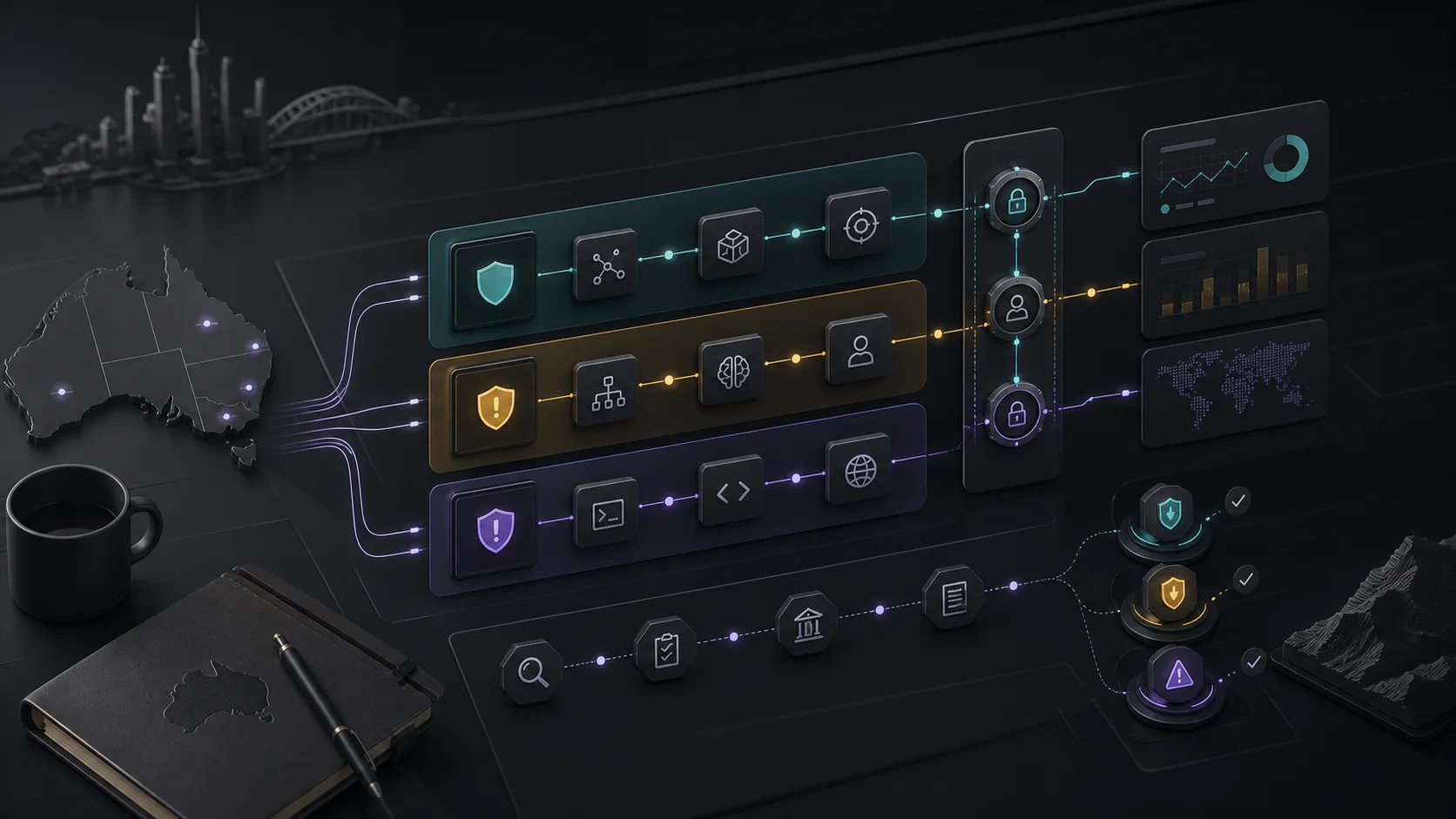
RxAI recommends a simple three-level risk model for early AI agent deployments. It is not a replacement for formal security work, but it gives non-technical teams a shared language before automation expands.
- Low risk: drafting, summarising, tagging, idea generation and internal notes where a person reviews before anything is published or actioned.
- Medium risk: customer-facing drafts, CRM updates, lead scoring, support triage and reporting where incorrect output can waste time or create confusion.
- High risk: payments, contracts, legal or medical content, cyber changes, personal data, bulk outbound messaging, deletion, account changes and external commitments.
What Permissions Should Agents Have First?
Start with read-only or recommendation-only workflows unless there is a clear reason to do more. An agent that can read a document library does not automatically need permission to edit it. An agent that drafts a reply does not need permission to send it. An agent that identifies a billing issue does not need permission to process a refund on day one.
The permission model should follow the severity level. Low-risk tasks can move faster. Medium-risk tasks need review and logging. High-risk tasks need explicit approval, role-based access, reversible actions where possible and a named incident owner.
What Should an Agent Incident Plan Include?
An incident plan does not need to be complicated. It needs to be clear enough that staff know what to do when an agent behaves unexpectedly.
- Pause: define who can disable the agent, revoke tool access or stop outbound actions.
- Trace: keep logs of inputs, outputs, source documents, tool calls, reviewer approvals and final actions.
- Assess: classify the incident as low, medium or high severity based on data exposure, customer impact, financial impact and operational reversibility.
- Notify: decide who must be told internally and when customers, vendors or regulators may need communication.
- Repair: fix the prompt, tool permission, retrieval source, approval step or business process that allowed the failure.
What Should Business Leaders Do Next?
Do not begin with the question, "Which agent platform should we buy?" Begin with the workflow. List the actions the agent may take, what can go wrong, who reviews each step and how the business would recover if the output is wrong or manipulated.
For most SMBs, the right first deployment is a controlled assistant that prepares work for a person. Once the logs are reliable, the review loop is clear and the risk level is understood, automation can expand with less operational surprise.
RxAI helps Australian businesses design AI automation with practical permissions, review points and governance. Start with our AI automation and consulting services or book a short discussion through the contact page.
Sources
- Anthropic - Redeploying Claude Fable 5
- Anthropic - Project Glasswing: An initial update
- Anthropic - Expanding Project Glasswing
- CNAS - Governing Jailbreak Incidents
- Ars Technica - After spooking Trump into safety testing, Anthropic AI models get global release
Frequently Asked Questions
An AI jailbreak is an attempt to bypass or weaken a model or agent rule so it produces output or takes action that should normally be blocked. For businesses, the concern increases when an agent has access to tools, data or external actions.
SMBs are increasingly connecting AI to real workflows. A weak draft and an unauthorised data change should not be treated as the same severity. Clear risk levels help teams decide when human approval, logging and incident response are required.
Usually no. The safer starting point is read-only or recommendation-only access. Add write permissions only after the workflow has logs, review points, rollback options and an agreed severity model.
Use low, medium and high risk tiers. Low risk covers internal drafting and summaries. Medium risk covers customer-facing or operational recommendations. High risk covers money, personal data, legal commitments, cyber changes, deletion and bulk outbound actions.
Want This Applied to Your Business?
RxAI offers a free 30-minute consultation to map how these strategies fit your operations. No obligation, no sales pitch.
Book Free Consultation